
Preview some blocks
Try the examples on the left: All recorded with readily available sample libraries—just some of the 80 examples included.
Blocks shows you how to allocate every note, unpacks why each combination works, showcases possibilities with multiple before-and-after examples—and then helps you learn each block, so you just know them, like your times tables, or your birthday.
From reference to recall
The aim is for these blocks to live in your head, not as a reference or plugin. Every block comes with notes explaining why the distribution works—learn the principle, you’re well on the way to building blocks of your own.
Then when you’re serious about mastering it, we’ve got you:: rebuild orchestrations from blank sketches, test yourself with flashcard diagrams, transcribe examples by ear. Lean on the diagrams at first, then less, then not at all. Twenty orchestrations, permanently in your head, is the true payload.
What are Blocks?
Blocks are orchestrations you can reach for in every session. The distributions come from the likes of Brahms and Tchaikovsky, the workflow is fast, and once you know a Block, you know it for life.
Work fast. Change your mind easily.
You sketch in three parts. Blocks shows orchestral distributions for those parts. Every option already works— these are concert-hall-tested distributions, not experiments. You’re just choosing the best fit. (And quietly absorbing effective orchestrations in the process)
20 Blocks. 80 different examples.
Every block comes with four contrasting examples—different ranges, sketch behaviours, harmonic approaches. Eighty across the set. Recorded with ordinary sample libraries from simple three-voice sketches, because that’s the whole point: these results are yours to replicate.
Who plays what…made clear.
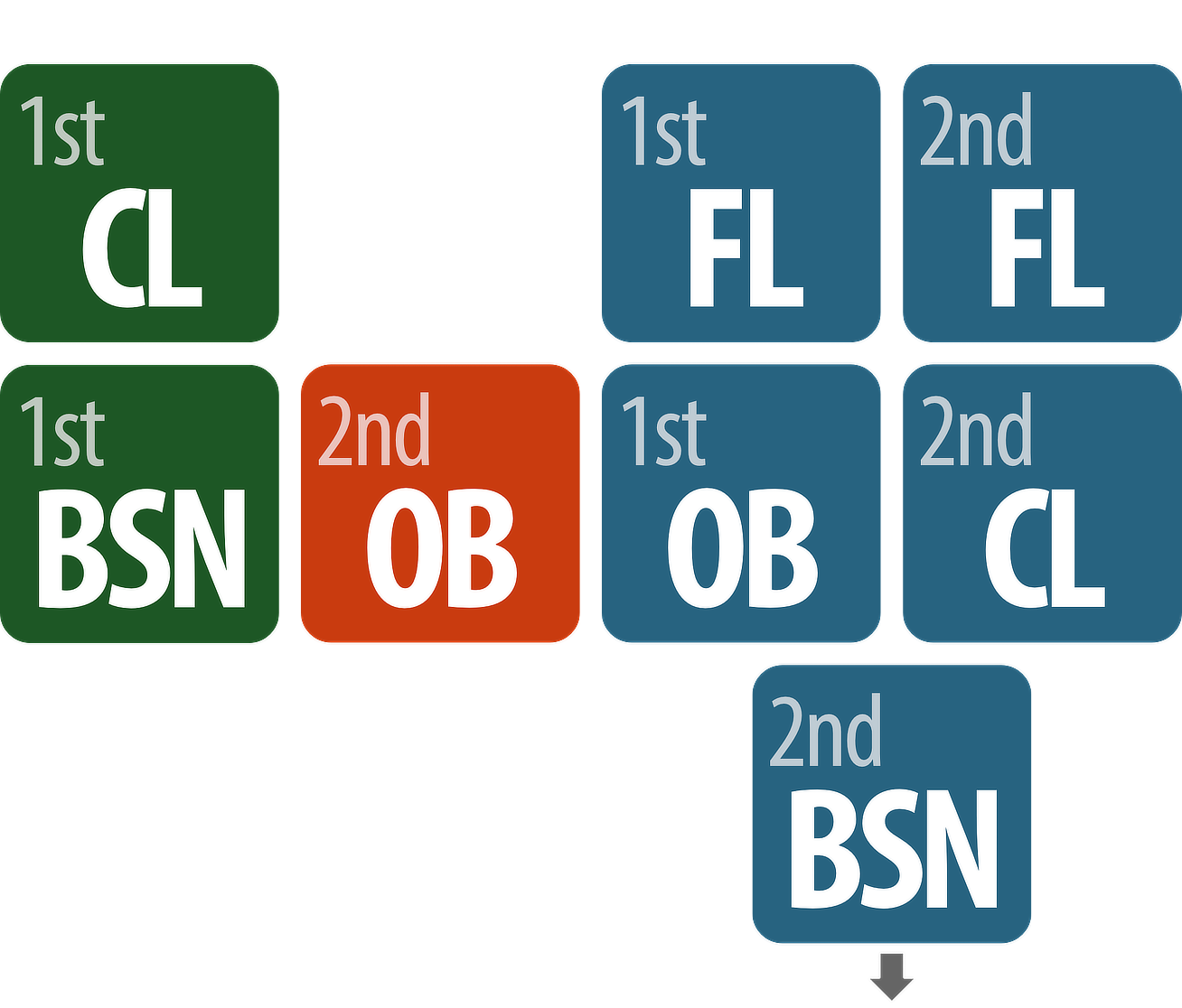
Traditional scores bury this information across transposing instruments, mixed clefs, and scattered staves. Blocks extracts the information you need. Blue instruments play the top note, red plays middle, green plays bottom. Arrows show octave shifts. One glance and the entire distribution is there—no decoding required.

Your Orchestra
What you’ll need
The Blocks orchestra is a 46 track modern symphony orchestra designed to be a foundation for pretty much any project you could ever need.
Set up your own template using whatever library you like—the diagram above shows which instrument you’ll need.